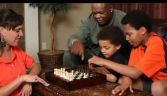
Get Resource Alerts
Sign up for the Resource Center email list! Get important announcements, new resources and tips. Go
Resources to improve your effectiveness and outreach
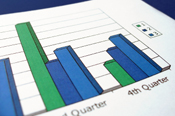
Snapshot of Emerging Research
A brief overview of research presented at national and international conferences that will likely impact marriage/relationship education.
Read more
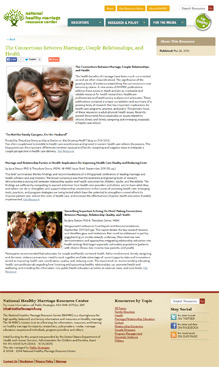
Health Connection
Resources that address the connection between positive relationships and health
Read more
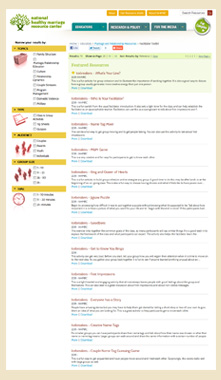
Facilitator Toolkit Tools to enhance your facilitation skills, build group cohesion and illustrate ideas and concepts in your marriage and relationship education class.
Read more
National Guard Toolkit
The National Guard Toolkit was created by practitioners who specialize in delivering family strengthening services to National Guard members
Read more
Evaluation Toolkit This toolkit provides a step-by-step tutorial through the six stages of evaluation.
Read more

Testimonials A compilation of stories submitted to the NHMRC from couples and individuals who have participated in marriage and relationship education.
Read more